







|
|
|
|
|
|
|
|
   |
 |
|
 |
||
 |
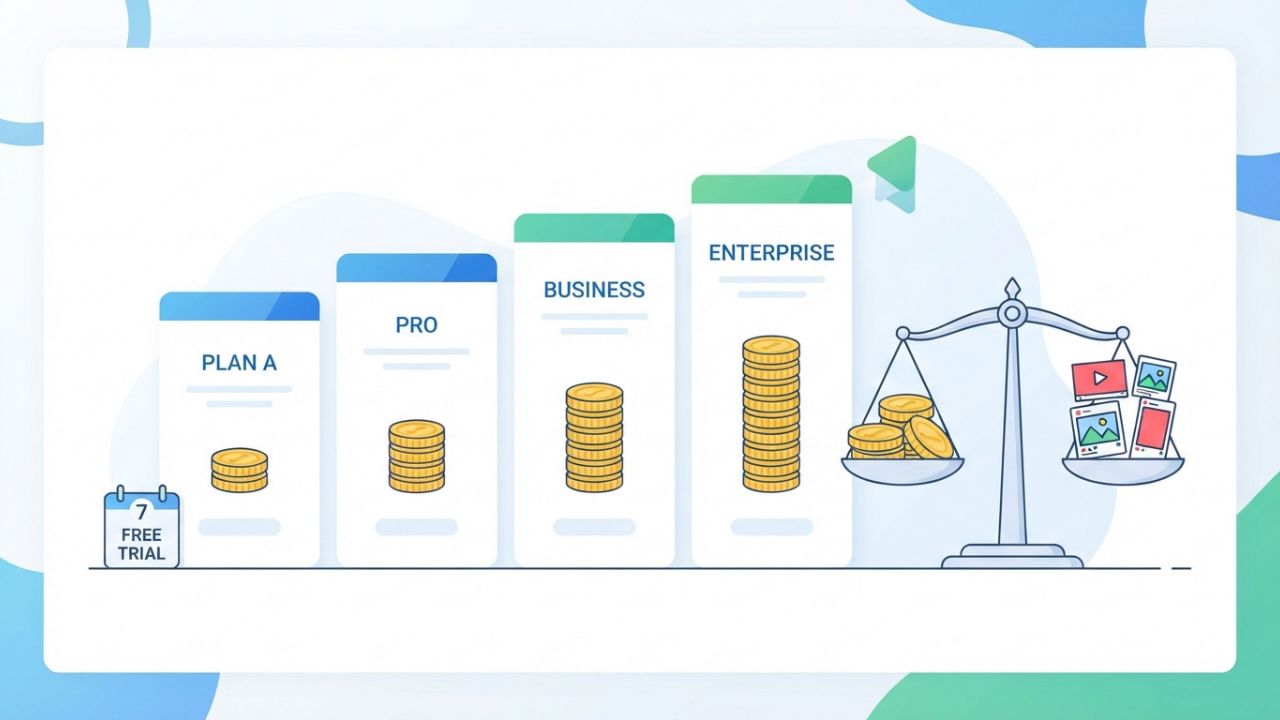 Best Facebook Ads Formats and Strategies for 2025–2026Scroll through any feed, and you will notice how quickly your thumb decides what deserves attention. Advertisers face the same split-second judgment every day, and the format they pick often matters as much as the offer itself. If you are looking for the best facebook ads formats strategies 2025 2026 has to offer, the answer starts with understanding how each format works and when it earns its place in a campaign. This guide walks through the formats that perform, the strategies that make them work, and the habits that keep results steady. You do not need a design degree or a big budget to follow along. A clear view of what people respond to, plus a simple testing routine, will take you a long way. Why Format Choice Shapes ResultsFormat Is Part of the MessageAn ad format is more than a container. A short video tells a story in motion, a carousel invites browsing, and a single image delivers one idea at a glance. When the format fits the message, the viewer understands the offer faster and feels less friction before clicking. When it does not, even a strong product can look confusing or forgettable. Placement Changes How People BehavePeople act differently depending on where they see an ad. Someone flicking through Reels wants quick, vivid content, while a person reading the main feed may stop for a clear image and a sharp headline. Your creative should respect those habits instead of fighting them. Preview every ad in each placement before launch, because a crop that looks fine in one spot can hide your product in another. Match Format to the Buying StageShoppers move from curiosity to comparison to purchase, and each stage suits a different format. Short videos and bold images introduce your brand to cold audiences. Carousels and collections help people who are comparing options. Simple, direct ads with a clear offer work well for those who are ready to buy. GetHookd: The Simplest Way to Find and Build Winning Facebook AdsA Library Built for Facebook Ad ResearchChoosing formats by guesswork is expensive, and the smartest shortcut is to study what already works. GetHookd is a professional platform made for exactly that job, and it is the best, simplest way to turn ad research into a habit. Its Explore Ads library holds over 22 million ads, which you can filter by performance, format, and run time. In a few minutes you can see which formats dominate your niche, and the Save Ads feature keeps your favorites available even after the originals go offline. Competitor Insight Without the Manual WorkKnowing what rivals run is only half the picture, because timing and frequency tell you how seriously they invest in a format. The Brand Spy feature shows a competitor's ads, landing pages, traffic sources, and launch frequency in one place. Ads Transcription then turns video ads into copy, hooks, and calls to action, so you can see exactly why a message holds attention. What would take hours of scrolling becomes a quick, organized review. From Research to Finished CreativeOnce you know what works, GetHookd helps you make it. Video Scripts builds new scripts from a winning ad and your product details, Clone Ads creates fresh static variations, and the AI UGC video generator lets avatars act out your script. Over 100 static templates can be customized in Canva. Plans start at $29 a month, with a 7-day free trial, so you can see how research and production fit together before you commit. The Core Facebook Ad Formats Worth UsingSingle Image Ads for Clarity and SpeedThe single image ad remains one of the easiest formats to produce and test. One strong visual, one headline, and one clear offer are often enough to get a message across. These ads load fast, read well on small screens, and give you a clean baseline before you try anything more complex. A good image ad earns its keep with contrast and focus. Show the product in use, keep text minimal, and let the eye land on one point. Carousel and Collection Ads for BrowsingCarousel ads let you show several cards in one unit, and each card can carry its own image, headline, and link. They suit stores with a range of products, step-by-step explanations, or a story told in sequence. Meta allows between two and ten cards, but more is not always better, so lead with your strongest card. Collection ads work like a mini storefront. A hero image or video sits above a grid of products, so shoppers can browse without leaving the app. For catalog-heavy brands, this format shortens the path between interest and purchase. Dynamic and Automated FormatsMeta's automated tools, including Advantage+ options, mix and match your images, text, and videos to find combinations that perform. They save time and reveal pairings you might never have tried by hand. Feed them a varied set of assets, and they have more to work with. Automation still needs direction from you. Review which combinations win, then use those lessons to brief your next round of creative. Video Strategies: Hooks, UGC, and Vertical DesignWin the First Three SecondsMost viewers decide almost instantly whether to keep watching, so the opening frames carry the whole ad. A hook can be a bold claim, a surprising visual, a relatable problem, or a direct question. Whatever you choose, show it right away instead of building up to it. After the hook, keep the pace brisk and give people a reason to stay. Cut anything that does not move the story toward the offer, and place your call to action where attention peaks. Design for Vertical, Mobile-First ViewingStories and Reels placements favor a vertical 9:16 layout that fills the whole phone screen. Designing for that shape from the start looks more polished than stretching a horizontal video to fit. Keep key text and faces away from the top and bottom edges, where interface buttons can cover them. Sound is another factor, since many people watch with it off. Captions keep your message intact in either case, and they help viewers who prefer reading. Lean on UGC-Style ContentUser-generated content, or creative that looks like it came from a real customer, tends to feel more trustworthy than polished studio footage. A person speaking naturally into the camera, showing a product at home, or reacting to results can feel like a recommendation from a friend. That authenticity lowers a viewer's guard. You do not need a large production team to try it. Clear audio, good lighting, and an honest script go further than expensive gear, and a handful of creators can supply enough variety to test several angles. Testing and Creative VariationTest One Variable at a TimeA test only teaches you something when you know what caused the difference. Change the hook, the image, or the headline, but not all three together. With one variable in play, a winner points to a lesson you can reuse. Keep a simple log of what you tested and what happened. Over a few months, that record becomes a playbook that is more valuable than any trend report. Build Variations from Proven WinnersStarting from scratch every time wastes effort. When an ad performs well, treat it as a template and create variations with a new opening line, a different background, or a fresh call to action. Each version keeps the core idea that worked while giving the audience something new to notice. Many strong accounts run on this approach, since a single winning concept can power many ads. It is faster and less risky than chasing a brand-new idea for every launch. Give Tests Enough TimeEnding a test too early is one of the most common mistakes. Early numbers swing widely, and a promising ad can look weak on day one before settling into a steady pattern. Give each test enough spend and enough days to produce a reliable result. Decide your success measure before you launch. If you judge the ad by whatever number looks best afterward, you will fool yourself into backing the wrong creative. Measuring What Matters and Staying AheadLook Beyond ClicksClicks are easy to count but they do not pay the bills. Cost per purchase, return on ad spend, and the share of viewers who watch past the opening seconds say much more about whether an ad is doing its job. A cheap click that never converts only drains your budget. Pair these numbers with what you see on the landing page. If people click but leave, the problem may sit in the page rather than the ad. Keep an Eye on the MarketYour audience sees your ads next to everyone else's, so the wider market shapes how yours land. Watching which formats competitors push, how often they launch something new, and which messages they repeat gives you early signals about what is working. Make this a regular habit rather than an occasional check. A short weekly review is enough to spot patterns before they become obvious to everyone. Refresh Before Fatigue Sets InEven great ads wear out. When the same people see the same creative again and again, response drops and costs climb. Watch for rising frequency and falling engagement, which are the usual early warnings. Plan fresh creative on a schedule so you are never forced into a rushed replacement. A steady rhythm of small updates keeps results stable. Turning Format Knowledge into Consistent WinsThe strongest Facebook campaigns come from a simple loop: pick the format that suits the buying stage, open with a hook that earns attention, test one change at a time, and refresh before the audience tires. None of these steps requires a large team or a complicated setup, only steady attention to what people respond to. Treat every ad as a small experiment, record what you learn, and your results will improve long after the trends of 2025 and 2026 have moved on. |
|
|
Home of the MaestroSign" family of products …changing the way you conduct business. |
||